Water slides differ in flume shape, entry arrangement, landing, structural support, water flow, and operating rules. Those differences affect the complete installation cost, not only the slide purchase price. Two rides that look similar from a distance may need different towers, pumps, foundations, and queue systems.
The same practical approach applies when buyers ask How much does it cost to build a water park: define the attraction and site before comparing numbers. A useful slide budget separates equipment, structural work, hydraulic systems, installation, and recurring operation.
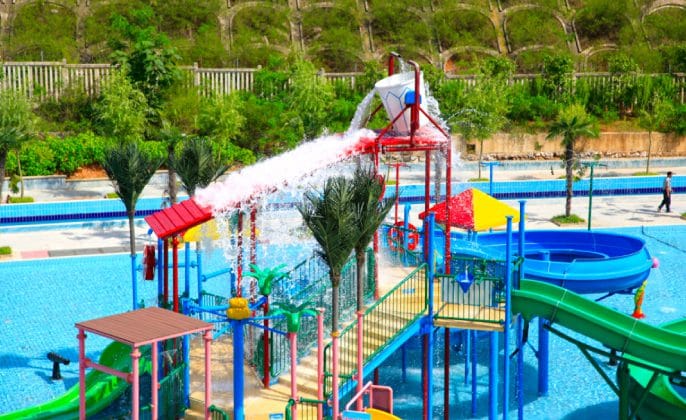
Common Commercial Water Slide Types
| Slide type | Typical experience | Installation considerations |
|---|---|---|
| Body slide | Single rider on a formed flume | Entry gate, runout, rider position, and water flow |
| Tube slide | Single or multi-person tube ride | Tube handling, flume size, landing, and circulation |
| Family raft slide | Shared raft experience for groups | Raft storage, loading, heavy loads, and exit |
| Multi-lane slide | Side-by-side lanes and friendly competition | Wider structure, equal lane flow, and landing space |
| Open and enclosed flume | Visual and controlled-light experiences | Support layout, ventilation, and maintenance access |
These categories can overlap. A tube slide may include enclosed sections, while a family raft slide may have an open finish. The quotation should describe the actual product, not only a generic label.
Why Tube and Raft Slides Cost More Than the Flume Alone
The tube slide installation cost is likely to include tube handling, a compatible landing, and a loading procedure. Family raft slides add raft storage, heavier vehicle loads, larger landing areas, and more staffing complexity.
The family raft slide installation cost should therefore show tower loads, slide sections, water supply, runout dimensions, and the queue arrangement. If a proposal includes only a flume price, it is not yet a complete installation budget.
Installation Cost Drivers
- Tower height, platform size, stairs, and structural supports.
- Slide length, number of joints, and enclosed or open sections.
- Pumps, pipe routes, controls, and water flow.
- Foundations, anchor requirements, and ground conditions.
- Landing-pool work, runout, drainage, and access.
- Delivery, crane position, installation labor, and commissioning.
A slide installed near an existing tower and plant room can have a smaller scope than one built on a new site. Ask each supplier to identify which utilities and structures are included and which remain local work.
Compare Support Structures and Site Work
The tower must support the slide, access, passengers, water, and environmental loads. The structural package should be designed for the selected model and local conditions. A quotation that treats the tower as a generic allowance may produce expensive changes later.
Confirm foundation drawings, concrete requirements, anchor positions, and inspection responsibilities. Coordinate the slide support with other park structures and paths.
Water Supply and Landing Design
Each slide type needs a specific flow and landing arrangement. Pumps and pipes must deliver stable water performance, while landing depth or runout must suit rider speed and exit route. Drainage and treatment support the daily operating plan.
Ask how the water system responds when several attractions operate at once. Peak demand affects pump selection and may influence the complete park infrastructure.
Materials and Surface Quality
Flumes and connecting components should resist sunlight, water exposure, cleaning, and wear. Polyester resin may be used in some composite constructions, but the full laminate or molded system must be specified and inspected by the manufacturer.
Request material samples, repair procedures, and inspection criteria. Surface damage should be assessable before the end of the warranty period, and the park should know which repairs can be completed locally.
Record those requirements in the final handover file.
This documentation remains essential.
Compare Installation Quotes Fairly
Use the same slide type, height, queue, water flow, and landing scope for every proposal. Review the see the splash pad layout and equipment list together so no hidden interface is ignored.
- Confirm product type and guest requirements.
- Provide one site plan and utility survey.
- Separate factory package and local site work.
- Include delivery, lifting, and commissioning.
- Price spare parts and staff training.
The equipment list by the water park equipment list by Dinis should identify the slide, tower, pumps, controls, landing, and documentation. Compare totals only after the interfaces are clear.
Include Annual Operation
The opening budget is not the only cost. Water, power, cleaning, inspection, spare parts, and staff time continue throughout operation. A complex slide may require more training or maintenance access than its initial offer suggests.
Build a comparison by slide type
Create a table for the shortlisted body, tube, family raft, or multi-lane products. Use the same site, tower height, landing requirements, and operating day so the comparison is meaningful. Record the equipment, structure, water system, installation, and annual cost categories separately. This prevents a large flume package from being compared with a complete installed attraction.
Add the queue and guest-handling requirements to each option. A raft slide may need more storage and loading space, while a multi-lane slide may need a wider structure and larger landing area. The least expensive equipment offer may require the most local work.
A commercial water slide is an engineered attraction. Choose the type that fits the audience and site, then compare installation packages with the same technical scope. Working with a commercial water slide manufacturer can keep equipment, water systems, and construction aligned.
Plan Commissioning
Commission the complete system, including entry, ride path, flow, exit, drainage, controls, and emergency shutdown. Confirm that the tower and landing remain accessible for maintenance and that the operating team has the correct procedures.